


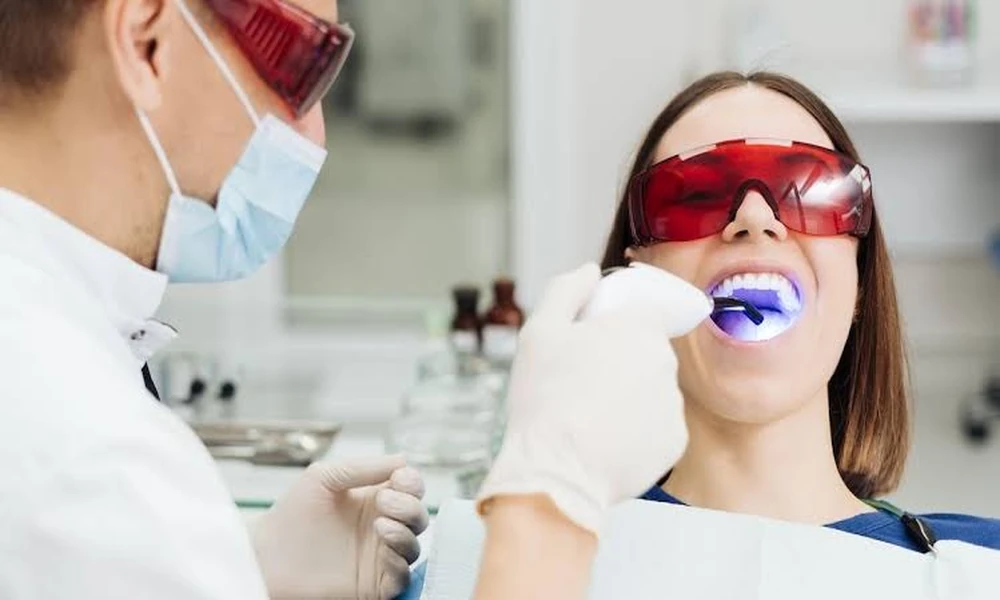
Over the past 10 years, changes in dental care have been monumental; technology has transferred access to oral healthcare delivery methods. Digital dentistry has brought new tools and other techniques for precision, efficiency and patient handling. Digital solutions are enabling dental professionals to provide a higher standard of care across the continuum from diagnosis through treatment planning and restorative procedures.
And as technology progresses, treatment has become quicker, far more comfortable, and has been bringing in consistently predictable results for the patients. While adhering to excellent clinical practices, various clinics have adopted these advancements as a way of living up to the high standards placed upon all modern patients.
The Rise Of Digital Imaging
One of the most transformative evolutions in digital dentistry is with regard to sophisticated imaging systems. These approaches usually made use of physical impressions and also typical X-rays, which could be lengthy and less detailed in some circumstances.
In the present day, the realities of digital imaging technologies provide an incredibly accurate view of teeth, gums and surrounding structures. Dentistry X-ray machines come with high-resolution capabilities, enabling the earlier detection of problems and more accurate treatment plans. This also enables the dentist to explain diseases in more detail to patients so that they can understand their oral needs better.
Most patients looking for a top-rated dentist in Sydney find that digital imaging helps provide a better picture of treatment and results.
Improved Accuracy Through Digital Scanning
In dentistry, the days of taking dental impressions are dwindling due to digital scanners. Look at those traditional impression materials, they were not comfortable for some patients, and some even had a gag reflex during the process.
Today, contemporary intraoral scanners are capable of producing three-dimensional images of the mouth within minutes. Digital files created by these scanners are extremely precise and can be utilised for restorative procedures, including crowns, bridges, aligners, and even implants.
It enhances the comfort of patients and minimises potential errors associated with conventional services. Consequently, dental restorations typically have a closer fit and need fewer adjustments.
Advanced Software For Improved Treatment Planning
Another area through which digital dentistry has advanced the field is treatment planning, with the help of complex software systems. These programs provide a safe way for dental professionals to practice and research treatment options without the necessity of beginning any real work.
For example, when it comes to implant planning software, this enables clinicians to calculate the best places for implants by considering factors such as bone structure and other teeth or healthy tissue. In fact, orthodontic software can also predict treatment direction and make tailored treatment plans for these patients.
To visualise the outcome of treatment in advance provides higher confidence for patients and practitioners throughout the whole process.
Better Communication And Patient Education
Technology has also enhanced the way dental health professionals can communicate with patients. Using digital displays and treatment simulations with educational software makes understanding complex procedures easier.
Patients are more involved in treatment decisions when they can see detailed images and visual representations of their dental conditions. A better understanding promotes confidence and may improve adherence to care plans.
One of the benefits of digital dentistry is an opportunity for both education and positive experiences between patients and their dental teams.
Increased Efficiency And Comfort
Moreover, digital workflows assist in directing dental practices to be more productive without causing discomfort to patients. Automated systems decrease administrative loads, simplify record keeping, and facilitate scheduling of appointments.
Several digital instruments shorten process instances, making it feasible for the patient to spend less time in a dental chair. Speed of diagnostics, precision of treatment planning and efficiency of restorative procedures help make the patient.
This leads to less stress for patients and improved satisfaction with dental care.
Conclusion
By merging innovation with patient-focused care, digital dentistry is influencing the future of oral healthcare in many ways. New digital technologies – including advanced imaging, digital scanning, treatment planning software and CAD CAM technology – opened new possibilities in precision, efficiency and comfort. These breakthroughs enable dentists to make more precise diagnoses, customise treatments, and achieve better results. With the technological evolution, digital dentistry will keep being a relevant protagonist for changing the patient experience and elevating the level of modern oral care.