


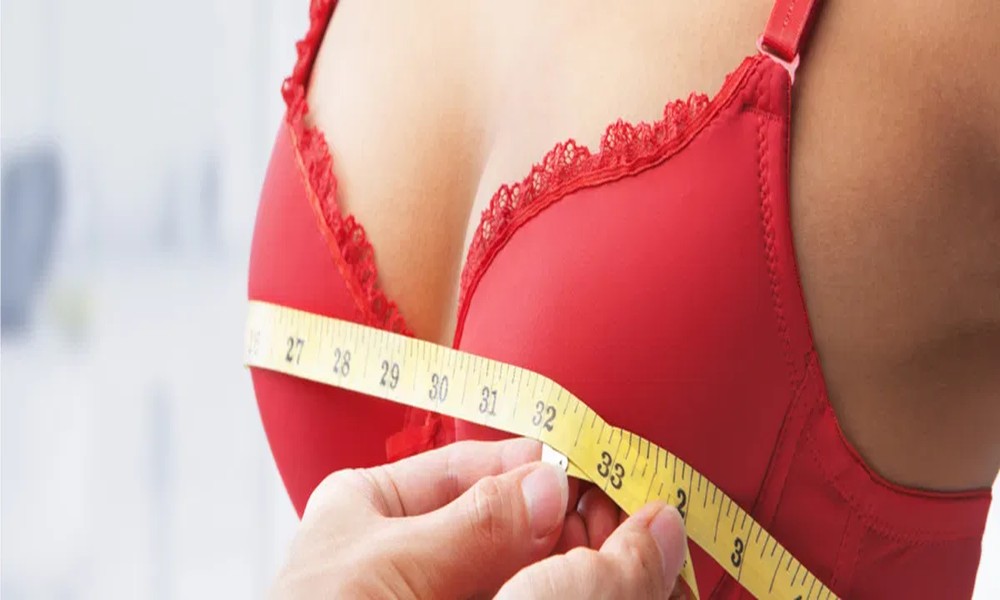
Finding the right fit plays a strong role in daily ease and confidence. Many people overlook how innerwear shapes posture and movement throughout the day. A proper match depends on structure, fabric stretch, and personal comfort preference.
When choices align with body balance, the result feels natural and secure. Measuring correctly and understanding support types can prevent common fitting issues. Learning these basics helps create better wardrobe decisions that suit different outfits and routines, using a reliable bra size chart.
Understanding Body Shape Balance
Body structure varies from person to person, so size selection should reflect natural proportions. Some may need more lift while others prefer a gentle hold based on daily use. Observing shoulder width and torso length can guide better choices without confusion. Balanced fitting supports smooth alignment without creating pressure points or loose gaps.
Measuring for an Accurate Fit
Correct measurement forms the base of a well-fitting choice in innerwear. Using soft tape helps capture band and cup dimensions with better clarity. It is useful to measure while standing straight to avoid uneven readings. Rechecking sizes over time ensures that body changes are considered and fitting remains steady.
Choosing Support Level Wisely
Support needs depend on activity level and the garment style worn over innerwear. Light support works well for relaxed use, while a stronger hold suits active routines. Structured designs help maintain shape without strain during long hours. Checking a bra size chart can guide support matching more effectively for daily wear.
Fabric And Flexibility Choice
Material selection affects how innerwear feels across different conditions and seasons. Soft fabrics reduce irritation while stretch materials adapt better to movement. Breathable options help maintain dryness during extended use without discomfort.
Common Fit Mistakes Avoidance
Small errors in size selection can lead to discomfort over time and poor support. Paying attention to fitting signs helps avoid these issues early and adjust quickly.
- Wearing loose bands reduces support strength and affects posture stability daily
- Choosing tight cups causes pressure marks and limits natural movement during use
- Ignoring strap adjustment leads to uneven fit and shoulder strain problems
- Skipping size updates results in a mismatch with body changes over time
- Selecting the wrong fabric reduces flexibility and causes discomfort during longer wear
Adjusting For Daily Activities
Daily routine plays a role in selecting suitable innerwear for better comfort. Active schedules may require firmer hold, while relaxed settings need softer designs. Changing styles based on outfit type also improves overall fitting results.
Choosing the right size is not only about numbers but also about how it supports daily needs. Careful measurement and attention to structure help avoid discomfort and improve posture naturally. Selecting suitable fabric and adjusting based on routine ensures long-term ease. Following simple fitting checks can make each choice more reliable.