


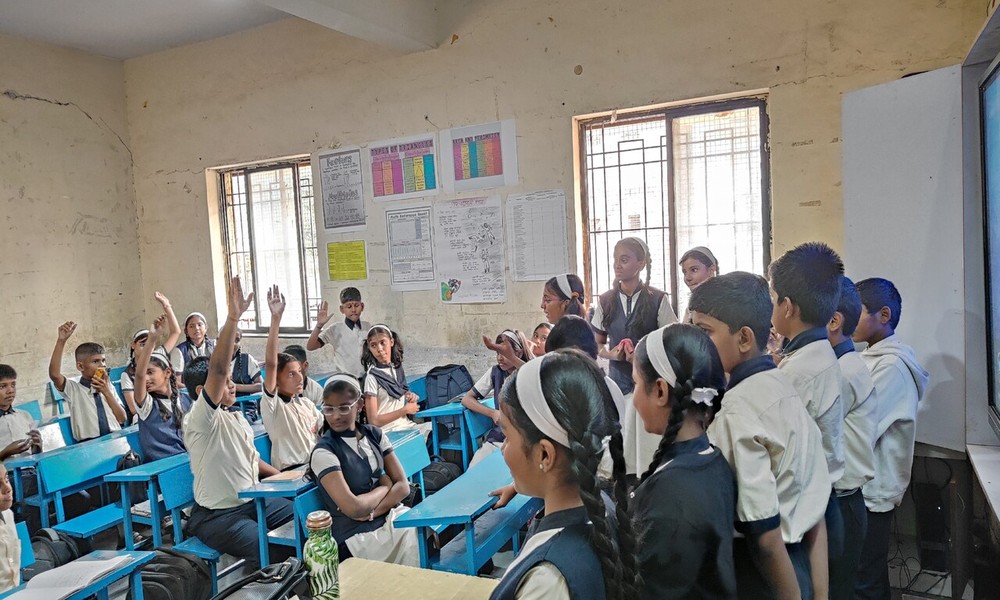
Classrooms reveal leadership strengths within teaching moments. Student attention shifts during weak lesson delivery. Strong educators guide discussions without forcing silence or fear. Practical training sharpens those abilities through classroom simulations. Lesson planning also becomes clearer through guided academic practice. Teachers handling mixed learning styles require broader instructional awareness. Through diploma in education malaysia
, aspiring educators strengthen communication, discipline methods, and instructional judgment before entering professional academic environments.
What Makes Classroom Leadership More Effective?
Students respond when lessons feel connected with daily experiences. Confusing explanations often reduce classroom participation and student confidence. Skilled educators recognize attention gaps before disruptions begin. Rather than strict control, balanced leadership builds classroom trust. A teacher managing noisy group activities needs calm direction afterward.
Several classroom habits improve teaching influence:
- Clear verbal instructions during activities
- Fast conflict handling between classmates
- Fair participation during class discussions
- Strong eye contact across crowded classrooms
Why Advanced Training Shapes Better Decision-Making
Unexpected classroom situations test judgment under pressure. New educators sometimes struggle handling emotional student reactions calmly. Training courses expose future teachers to realistic educational challenges first. During practice sessions, trainees evaluate discipline approaches through guided feedback. Unlike informal experience, supervised learning corrects mistakes before professional teaching begins.
Educational programs often strengthen these practical teaching areas:
| Training Area | Classroom Advantage |
| Child behavior analysis | Better emotional understanding |
| Lesson pacing methods | Improved student concentration |
| Digital classroom tools | More engaging lesson delivery |
| Assessment planning | Accurate learner evaluation |
Leadership Skills Need Practical Classroom Exposure
Theory alone rarely prepares educators for unpredictable student behavior. Classroom environments change according to age groups and personalities. One teaching method may fail within another learning environment. During supervised teaching practice, trainees adjust communication styles under pressure. That experience develops patience alongside stronger instructional control during lessons.
In diploma in education malaysia, practical modules strengthen classroom readiness through observation exercises, peer teaching, and supervised lesson evaluations. Trainees learn how seating arrangements affect student interaction patterns. Even small adjustments can influence classroom participation rates afterward.
How Modern Training Improves Student Engagement
Traditional lectures rarely maintain attention across modern classrooms. Students prefer active participation during learning activities and discussions. Interactive teaching methods increase retention through classroom involvement afterward. For example, science teachers using demonstrations often maintain stronger classroom concentration levels.
Several teaching approaches improve learner participation:
- Short collaborative classroom exercises
- Visual explanation methods
- Real-life learning comparisons
- Timed group problem-solving tasks
- Reflective classroom questioning techniques
Although technology assists teaching delivery, human interaction still shapes stronger academic motivation.
Small Classroom Choices Create Long-Term Educational Influence
Experienced educators recognize leadership through classroom decisions daily. Seating arrangements influence discussion flow during collaborative learning activities. Tone selection also affects student confidence during difficult lesson explanations. A teacher correcting mistakes respectfully often receives stronger classroom cooperation afterward.
Students remember instructional behavior longer than examination scores afterward. Calm classroom management creates safer academic spaces for hesitant learners. One thoughtful teaching adjustment may influence student confidence throughout secondary education years later.
Beyond Academic Credentials
A teacher adjusting seating positions during group discussions demonstrates real leadership. Students notice fairness, preparation, and emotional control before academic expertise afterward. Professional qualifications matter because classrooms demand sharper judgment under pressure daily. Training programs develop those instincts through instructional practice, not memorized educational theories alone.